
The Two Ras Al Khaimah Markets: What the Sales Floor Says vs What the Data Says
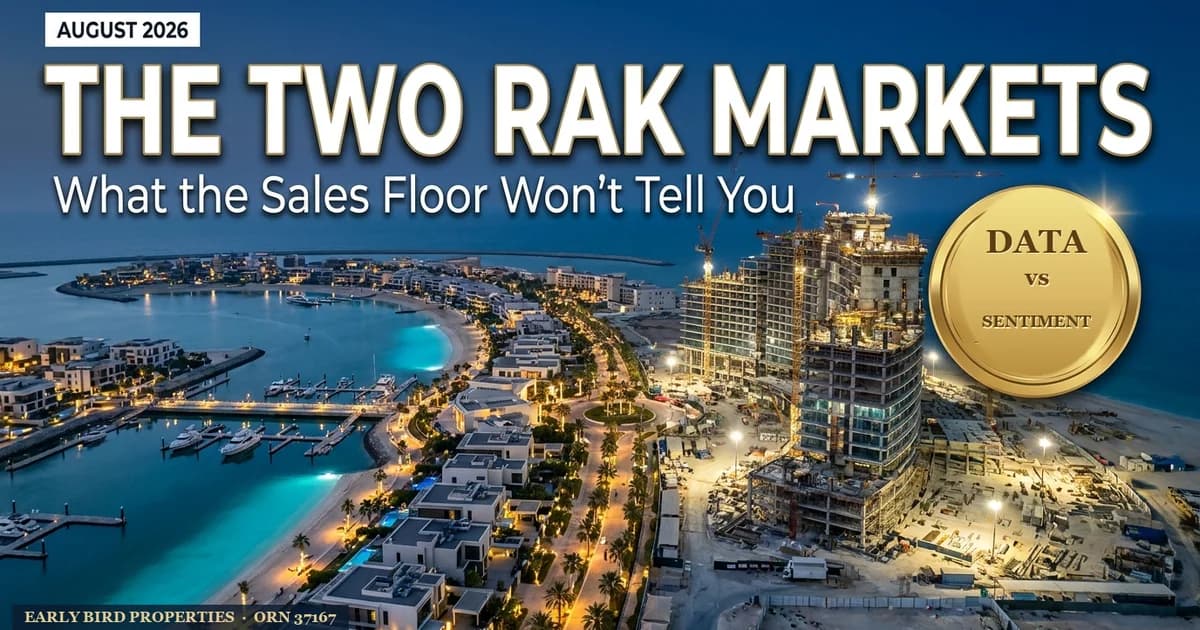
On 15 July 2026, AGBI reported that Ras Al Khaimah municipality data showed property sales values down 55 per cent year on year. On 3 August, The National reported that the emirate's market had proved "remarkably resilient," with apartment prices up around 5 per cent. Both reports are accurate. They were published nineteen days apart, about the same emirate, using different evidence — and if you are weighing an off-plan purchase in Ras Al Khaimah right now, the gap between them is the most useful thing on your desk. This article explains why the two readings diverge, what each one actually measures, and how to decide whether to reserve now or wait.
Methodology: this article compares reporting based on market participants with reporting based on official and corporate disclosures. Both perspectives provide valuable insight, but they answer different questions. Every figure below carries its source and the period it covers.
What the sales floor says
The resilience case is real and it is not thin. Between October 2025 and March 2026, residential sale prices in Ras Al Khaimah rose almost 5 per cent for apartments and nearly 4 per cent for villas, with rents climbing more than 6 per cent and 5 per cent respectively, according to Cavendish Maxwell data reported by The National on 3 August 2026. Ready apartments averaged AED 1,219 per square foot in the first quarter of 2026 and ready villas about AED 1,034 per square foot, according to Property Monitor.
Tourism supports the picture. The Ras Al Khaimah Tourism Development Authority recorded more than 670,000 visitors in the first half of 2026, its strongest on record, with domestic arrivals up 47 per cent. The construction pipeline is substantial: Cavendish Maxwell research points to 25,600 new residential units in development between now and 2030, and planned road upgrades are expected to cut journey times to Dubai significantly.
Al Marjan Island dominates. It accounts for more than 55 per cent of total sales listings in the emirate, and foreign institutional and private capital makes up more than 60 per cent of buyers there — capital underwritten by multi-year strategies rather than short-term sentiment.
What the data says
The caution case is equally sourced, and it comes from a different kind of evidence. AGBI, reporting on 15 July 2026, cited Ras Al Khaimah Municipality figures showing sales values down 55 per cent year on year. Colliers recorded 1,600 residential units launched in the first quarter of 2026. Fitch Ratings affirmed the emirate's credit rating in May 2026 but warned of a possible downgrade. AGBI also reported project delays across several developments and a nationwide shortage of contractors pushing up construction costs.
None of this is a verdict on any individual developer or project, and it should not be read as one. It is a description of an emirate-level market moving through a slower phase after several years of rapid expansion.
Why the headlines don't actually conflict
Price, transaction volume and developer launches do not move together. They move in sequence, and the lag between them is where apparently contradictory headlines come from.
In an early-cycle market, launches rise first. Speculative and early-committed capital follows, and transaction counts climb. When sentiment cools — for any reason, including regional uncertainty — transactions cool first, because buyers can simply wait. Launches follow, because developers postpone releases rather than sell into a soft window. Prices are the last thing to move, and in a market like Ras Al Khaimah they may not move much at all.
The reason is structural. Real estate in the UAE is predominantly cash-driven, which prevents the distress selling and panic liquidation that force prices down in leveraged markets. An owner who does not need to sell simply does not list. So volume falls while price holds. A 55 per cent drop in sales values and a 5 per cent rise in prices can describe the same market in the same year without either being wrong.
Understanding that sequence is the difference between reading a headline and reading a market. "Slower" and "falling" are not the same condition, and confusing them is how buyers either panic out of a sound position or rush into a weak one.
A short timeline, and why primary sources matter
Three dated data points from the past month illustrate the point better than any argument:
| Date | Source | Evidence base |
|---|---|---|
| 15 July 2026 | AGBI | Municipality data, Colliers, Fitch — official and third-party records |
| 3 August 2026 | The National | Market-participant interviews, Cavendish Maxwell and Property Monitor data |
| 4 August 2026 | Wynn Resorts | Company's own second-quarter results announcement |
On 3 August, a widely quoted market source described the Wynn Al Marjan Island resort as opening in early 2027. One day later, in its second-quarter results announcement, Wynn Resorts chief executive Craig Billings stated that the resort "will open its doors to guests in September of 2027."
Neither statement changes the long-term investment thesis for the island. It does illustrate why buyers making timing decisions should prioritise primary sources — the company's own disclosures — over secondary commentary, however well informed. A timeline repeated in good faith was superseded within twenty-four hours by the company that controls it.
What the remaining construction timeline means for buyers
With the opening now scheduled for September 2027, buyers still have a meaningful construction period before the integrated resort begins operating. Wynn Resorts disclosed in the same announcement that it contributed USD 48.1 million to the 40 per cent-owned joint venture during the second quarter of 2026, bringing life-to-date cash contributions to approximately USD 1.06 billion.
That matters for two reasons. Committed capital at that scale is a strong signal about completion intent. And a defined runway before opening is precisely the window in which off-plan payment structures do their work — a staged plan lets a buyer position ahead of an event that has a published date, rather than after it.
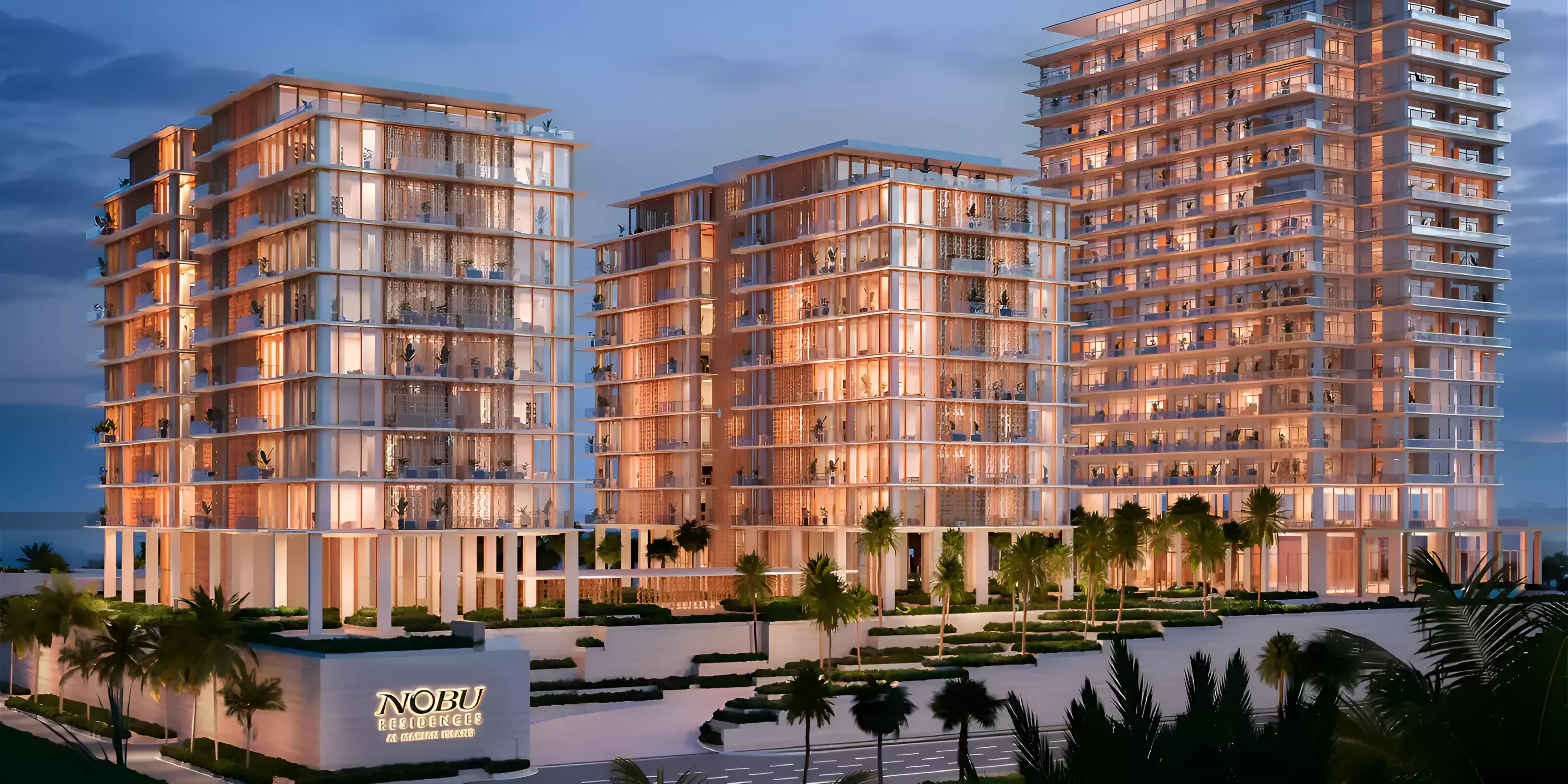
Where the three sub-markets differ
Ras Al Khaimah is not one market. Al Marjan Island is the resort-led waterfront market, closest to the Wynn opening and carrying the highest concentration of branded and beachfront stock — projects such as Nobu Hotel and Residences and Playa Del Sol Phase 2 sit here.
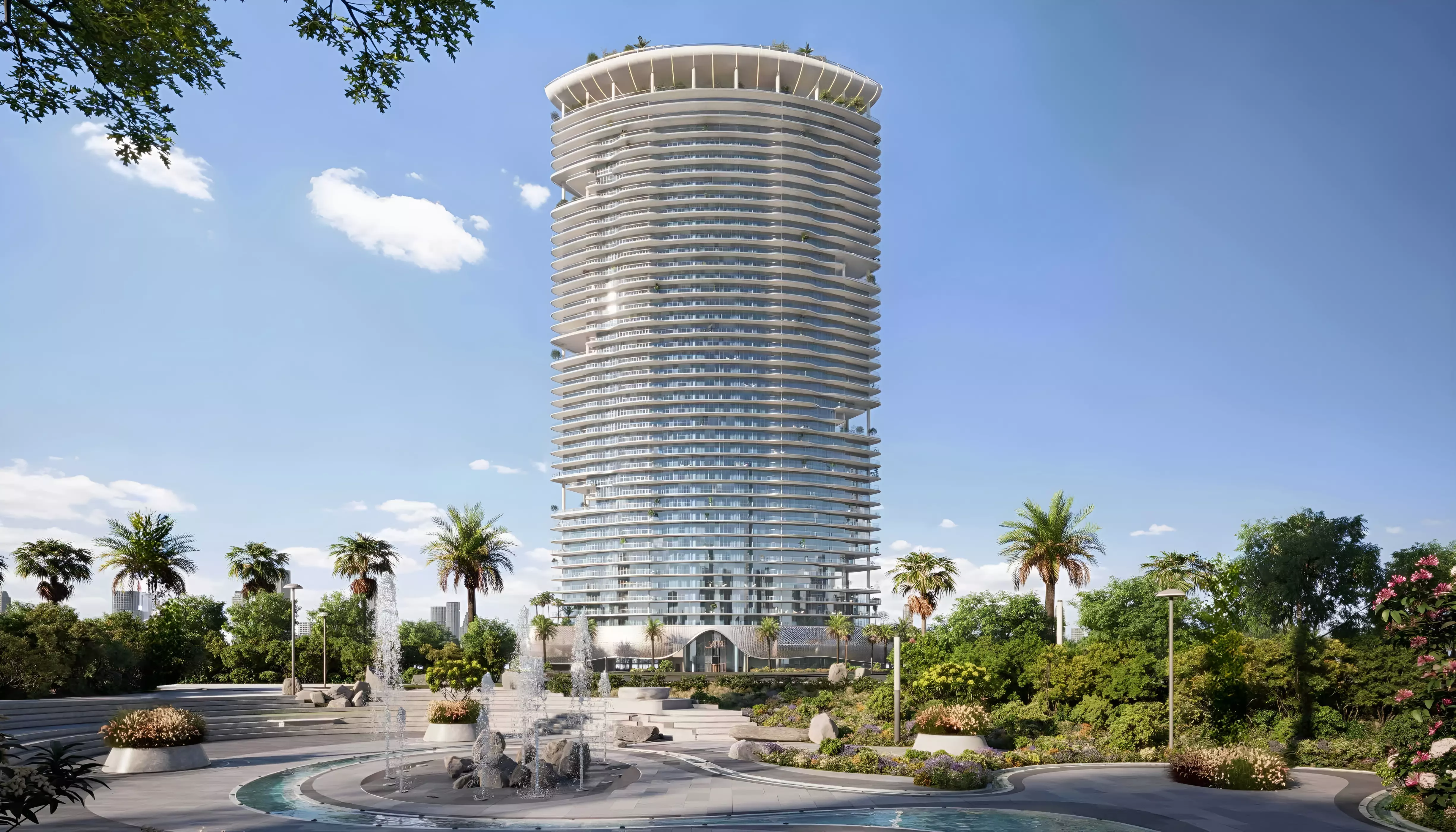
Mina Al Arab is the established waterfront community market, with a longer delivery record and a more residential profile — Cape Hayat Phase 2 and Mirasol Phase 2 are examples. RAK Central is the emerging business-district market, where Azure by Lapis sits alongside a planned commercial core.
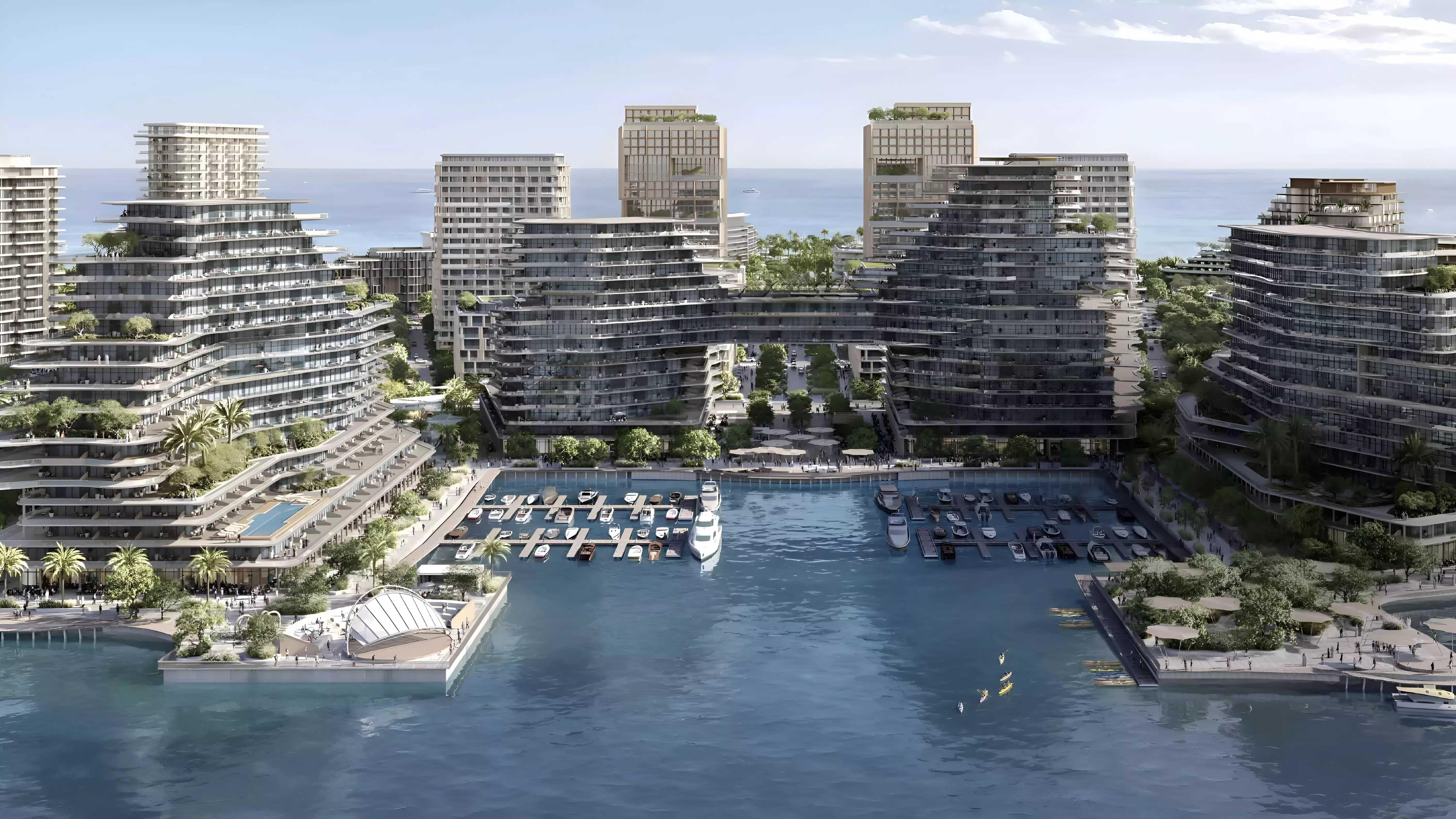
A slower launch environment affects these three differently. Fewer new releases tightens choice in the resort-led market first, because that is where launch activity concentrated. It has less effect on communities with existing delivered phases. The full current range is on our off-plan properties in Ras Al Khaimah page.
Before you reserve an off-plan unit in Ras Al Khaimah
The honest answer to "buy now or wait" is that it depends on inputs only you hold. Rather than a recommendation, here is the checklist we work through with buyers:
✓ Is this purchase driven by rental income or capital growth? The two point to different sub-markets and different unit types.
✓ Does the payment plan match your actual cash flow, including the handover instalment?
✓ How much competing supply completes before your handover date, in the same sub-market?
✓ Is the pricing supported by recent comparable transactions, not launch pricing?
✓ Would this investment still make sense if the resort opened six months later than currently scheduled?
That last question is the important one. A purchase that only works if a single external event lands exactly on time is a bet on scheduling. A purchase that works regardless is an investment in fundamentals. In a market where a widely quoted opening date moved by several months in twenty-four hours, that distinction is worth its own line in your analysis.
The same discipline applies wherever you buy off-plan in the UAE. We have written separately on the off-plan risks buyers are rarely told about, on how staged payment plans actually work, and on how off-plan locations compare in Abu Dhabi — the mechanics travel between emirates even when the market cycles do not.
Frequently asked questions
Which off-plan properties in Ras Al Khaimah offer 50/50 payment plans?
Payment structures in Ras Al Khaimah vary by developer and by phase, and 50/50 plans — half during construction, half on handover — appear across Al Marjan Island, Mina Al Arab and RAK Central projects. Terms change between releases, so current plans should be confirmed against the developer's live schedule rather than an earlier launch announcement.
What down payment do off-plan properties in Ras Al Khaimah require?
Initial down payments in the emirate commonly range from 5 to 20 per cent of the purchase price, depending on the developer, the project stage and the unit. Lower entry percentages are typically paired with a heavier handover instalment, so the full schedule matters more than the headline first payment.
Is Ras Al Khaimah property still rising in price in 2026?
Between October 2025 and March 2026, apartment prices rose almost 5 per cent and villa prices nearly 4 per cent, according to Cavendish Maxwell data reported in August 2026. Separately, municipality data reported in July 2026 showed sales values down 55 per cent year on year — a fall in transaction activity rather than in price levels.
When does Wynn Al Marjan Island open?
Wynn Resorts confirmed in its second-quarter 2026 results announcement, published on 4 August 2026, that the resort will open to guests in September 2027. Earlier commentary had suggested an earlier date. Buyers should treat the company's own disclosure as the authoritative timeline.
Should I buy off-plan in Ras Al Khaimah now or wait for the resort to open?
That depends on whether your return case relies on the opening or merely benefits from it. A slower launch environment means less new supply competing at handover, while a defined pre-opening window is when staged payment plans are most useful. Test the purchase against a delayed-opening scenario before committing.
Not every project suits every buyer
If you are comparing off-plan properties in Ras Al Khaimah, we will show you recent transaction evidence, the payment structures currently available, and where competing supply is scheduled to complete — before you reserve.
Speak to us on WhatsApp or book a free 15-minute consultation.
Muhammad Zohaib Saleem — Founder, Early Bird Properties (RERA / DLD ORN 37167). In Dubai real estate since 2013.
No developer marketing fees; recommendations based solely on investor interest alignment. Figures cited carry their source and reporting period. Price and payment-plan details are indicative and subject to developer confirmation.